


January doesn’t need to be the time for a full life overhaul, contrary to what social media may be telling you. While it can be a great time to set goals, you don’t have to change everything at once. Small, simple adjustments can make a big difference over time. The important part is doing what actually works for you, not following strict rules or trends. It’s about small, manageable steps that fit your life. This article covers the pressures of the new year, what a sustainable reset looks like, and some simple wellness habits to inspire your 2026 routine.
Why January feels like pressure season
After the festive season, it’s normal to feel physically and mentally drained from your busy schedule, lots of indulgent food and drink, and plenty of social obligations. On top of that, everywhere you look in January, messages push big transformations and perfect habits. This can make the month feel like a test, even if all you want are some simple lifestyle adjustments. With all this noise, it’s easy to fall into the mindset that if you don’t stick perfectly to a plan, you’ve failed completely. This often creates stress and discouragement rather than lasting change.
As much as they may seem appealing after a period of indulgence and rest, sudden, intense lifestyle changes (like strict diets or intense fitness routines) can be hard to maintain. Small, realistic steps are usually more effective and sustainable.
What a sustainable reset looks like
A reset that will withstand the test of time typically doesn’t involve creating a long list of new routines. Focusing on just a few simple habits makes it easier to stick with them and see results. Small, regular actions matter more than doing everything perfectly, as even simple steps taken consistently can create meaningful change over time. For example, if you would like to exercise more, you could start by setting a simple daily step count goal that starts out low and manageable. You can then adjust the step count goal as the year goes on to match your increasing endurance and activity levels.
Remember, a reset should reflect your own needs, not what others say you “should” be doing. Paying attention to personal factors like energy levels, stress, and mood can help you choose habits that feel both sustainable and supportive.
Building simple wellness habits
Here are some simple wellness habits you can use for inspiration when deciding which resolutions best fit your needs and goals:
- Creating a morning and/or evening routine: Having a simple routine can help add some structure to your day, whether it’s starting with a stretch in the morning or winding down with a cup of CBD tea in the evening.
- Prioritising rest and downtime: Making time to rest isn’t lazy, it’s essential for your mind and body. Even short breaks can improve focus and wellbeing.
- Moving in ways that feel good: Exercise doesn’t have to be intense to be worthwhile. Gentle movement, walks, stretching, swimming, or any activity you enjoy helps keep both your body and mind healthy.
- Making time to unplug: Stepping away from screens and notifications allows you some space to breathe and reflect, helping reduce stress and mental clutter.
-
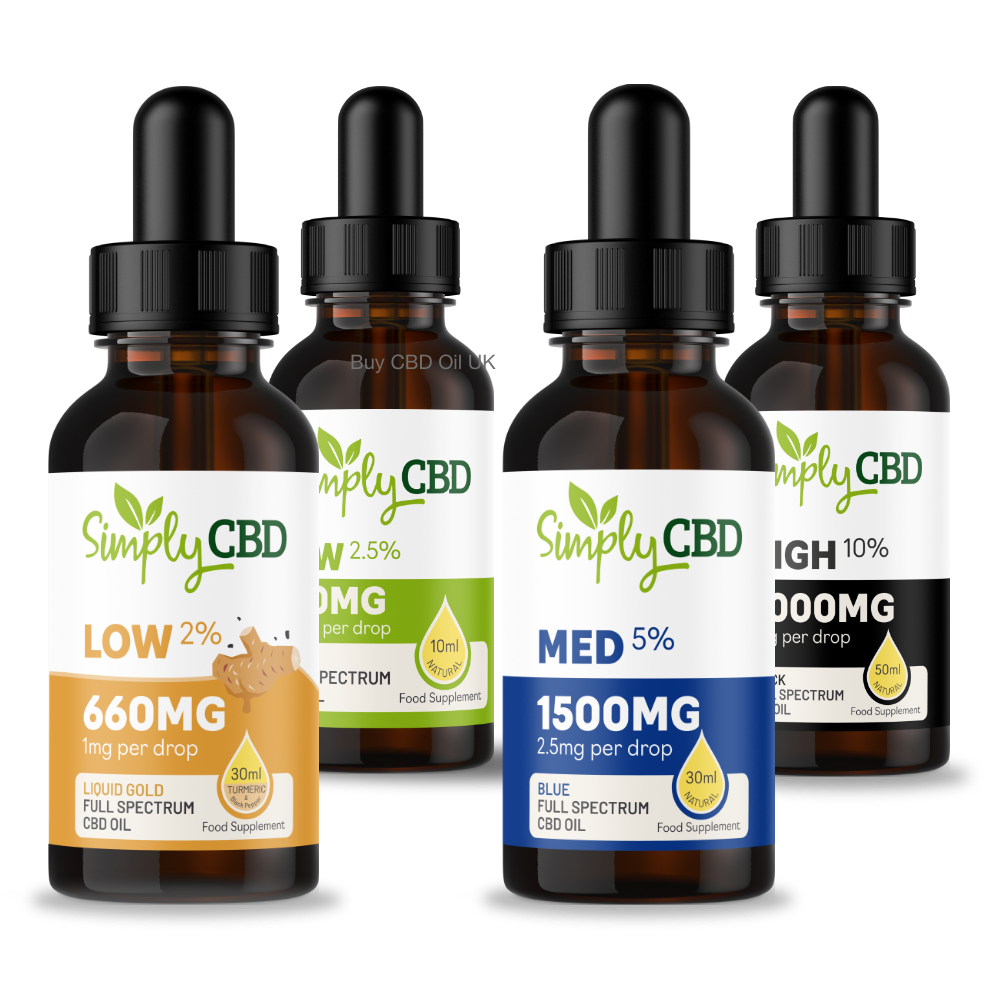
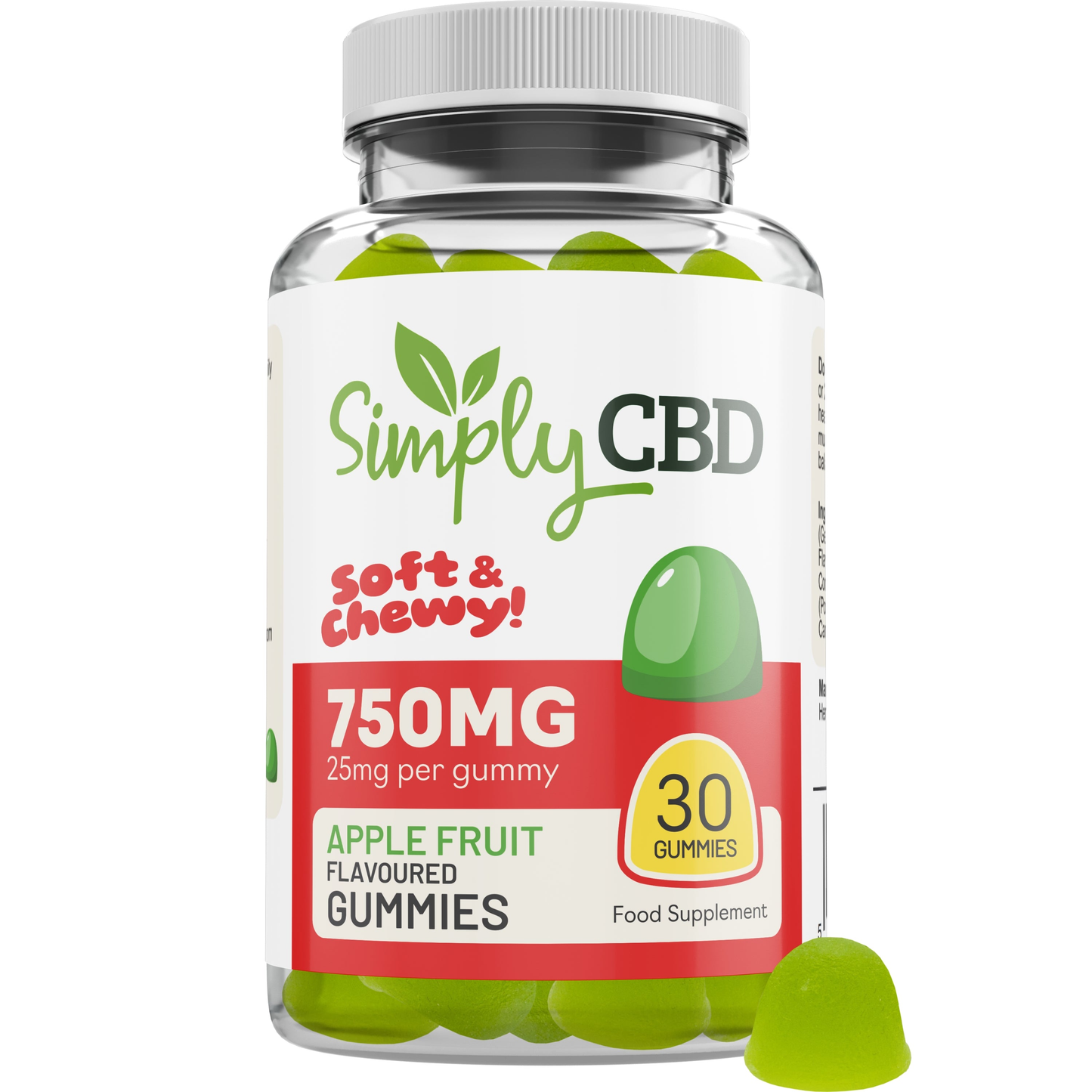
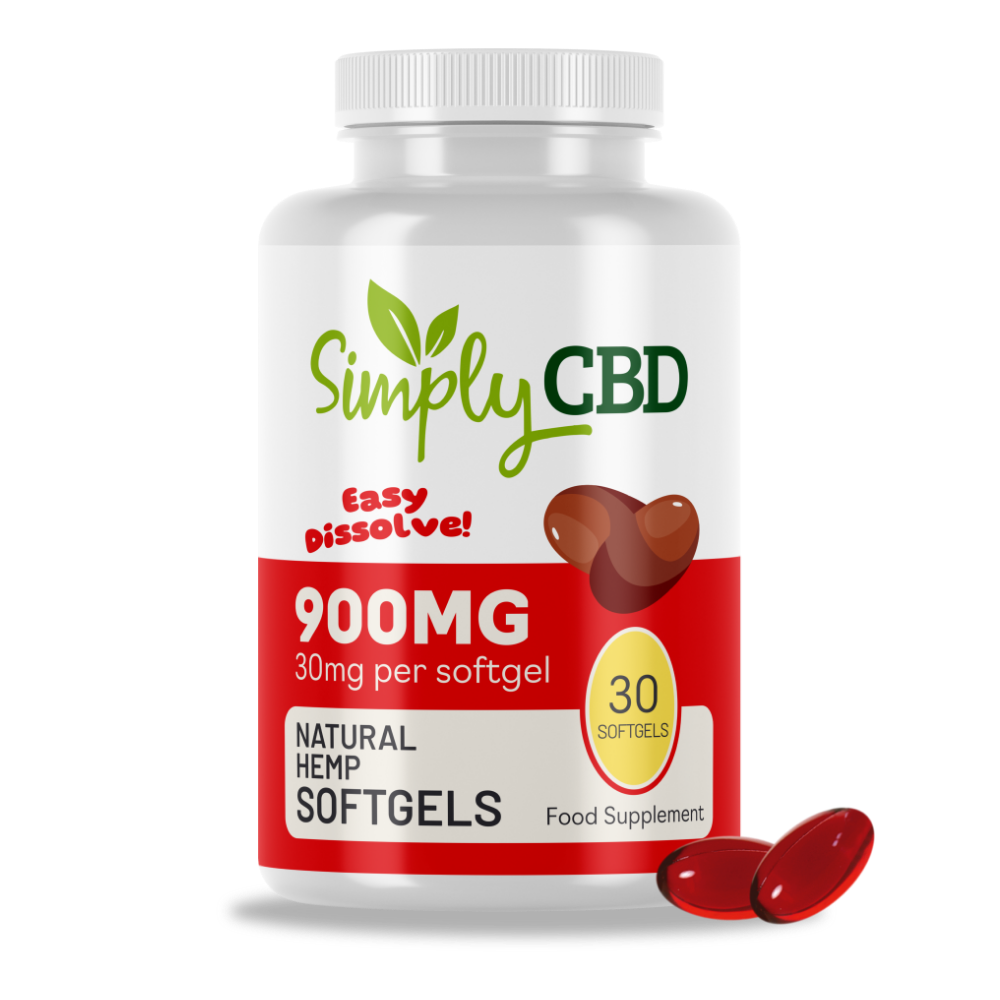
A consistent CBD routine to promote balance: CBD works well as part of a mindful routine, as it’s not a quick fix but a long-term wellness support tool. It can help bring a sense of balance when used consistently.
Key takeaways
Here are the key points to remember about building sustainable wellness habits for 2026:
- January doesn’t need a full life overhaul
- Small, simple adjustments are more effective than big changes
- A sustainable reset should be gentle, realistic, and personal
- Post-holiday burnout makes routines harder to follow
- “New year, new you” pressure can feel overwhelming
- All-or-nothing thinking rarely leads to lasting change
- Focus on fewer habits rather than trying to do everything
- Consistency matters more than perfection
- Build simple routines that suit your needs and goals
- CBD can fit seamlessly into a balanced, long-term wellness routine